


From Disease Care to Health Creation
The United States spends more on healthcare per person than any other high‑income nation, yet by nearly every population‑level metric, Americans are not healthier for it. National health expenditure data show that US healthcare spending reached approximately 4.5 trillion dollars in 2022, about 17.3 percent of gross domestic product, with spending continuing to climb and reaching 5.3 trillion dollars and 18 percent of GDP by 2024.
In other words, nearly one out of every five dollars in the US economy now flows through the healthcare sector. Yet life expectancy in the United States remains lower than in peer countries, and the gap is not closing. Recent analyses show US life expectancy at about 79 years, roughly 3.7 years shorter than the average in comparable high‑income nations, despite the US spending nearly twice as much per person on healthcare.
Healthspan, or the years lived in good health, tells an even more sobering story. Global analyses reveal that the US not only trails in total years lived but also has a larger gap between lifespan and healthspan than many peer nations. Chronic and mental health conditions account for about 90 percent of US health care expenditures, consuming the vast majority of the system’s resources.
Here is the number that stopped me during my recent conversation with Dr. Zeev Neuwirth: by some estimates, we spend roughly 95 cents of every healthcare dollar on diagnosing and treating disease and only about 5 cents on primary prevention and public health.
That is not just an unfortunate funding imbalance. It is a design choice. It reflects a system built to manage downstream pathology rather than upstream determinants of health.
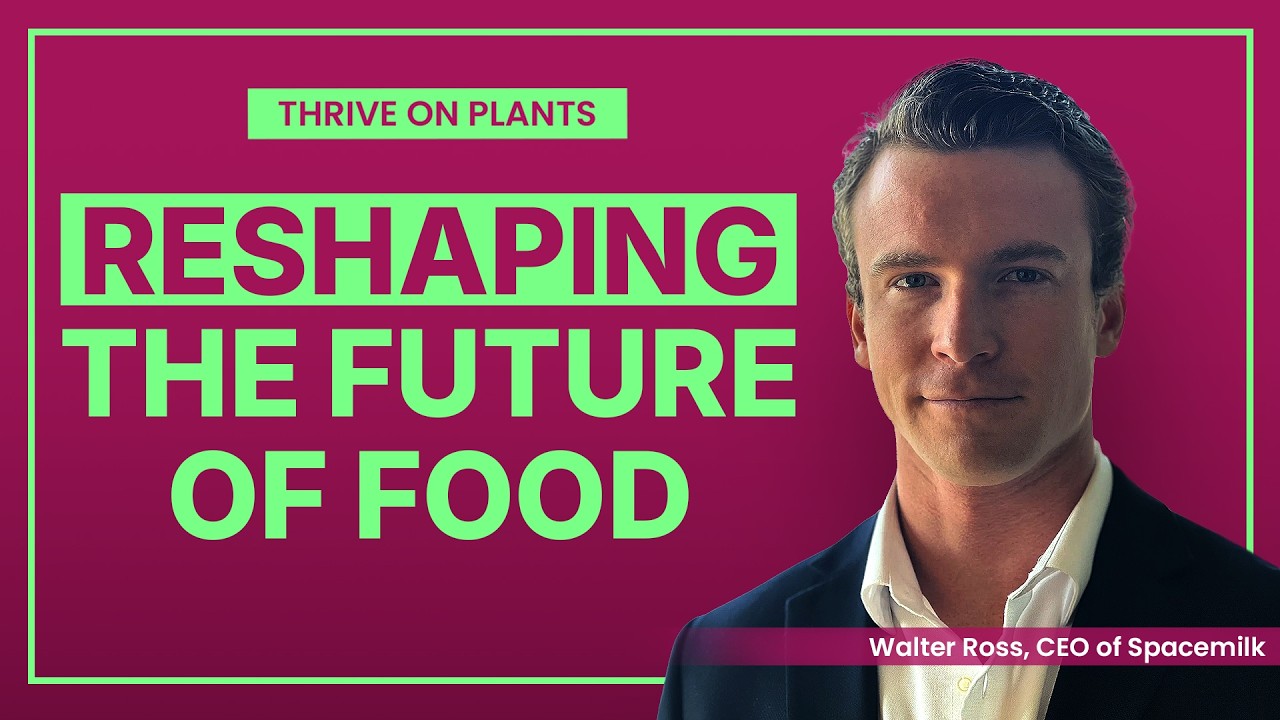
Who Is Dr. Zeev Neuwirth?
Dr. Zeev Neuwirth is a physician, healthcare executive, author, and one of the more thoughtful voices in the movement to fundamentally rethink how care is organized. He is the author of “Reframing Healthcare: A Roadmap for Creating Disruptive Change” and has spent decades in senior leadership roles in large US health systems, including serving as Chief Medical Officer and Population Health Officer at Atrium Health, now part of Advocate Health.
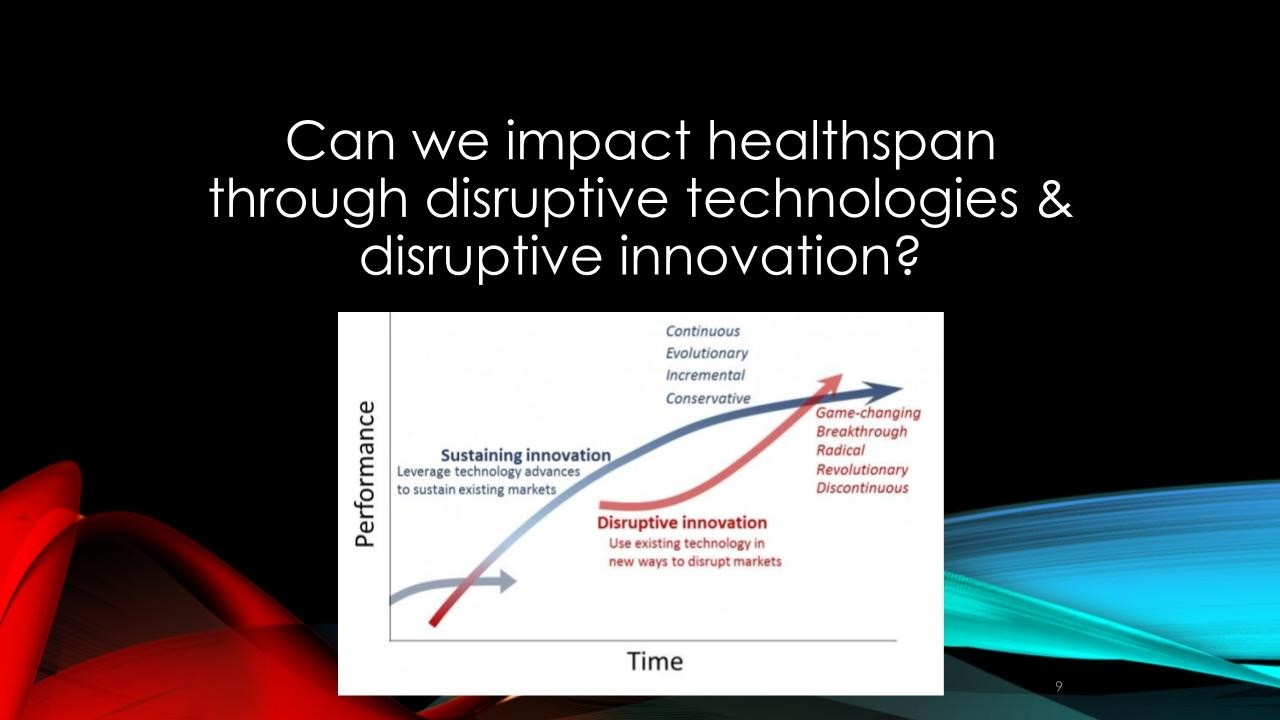
He is also the creator and host of Creating a New Healthcare, a podcast where he interviews innovators at the frontiers of care delivery, payment reform, and health technology. Across those conversations, he has been remarkably consistent about one thing: the current system is performing exactly as designed. It is just not designed for health creation.
What makes Dr. Neuwirth’s perspective compelling is not only that he understands the mechanics of large health systems from the inside. It is that he is willing to name the limitations of a disease‑centric paradigm and to outline, in practical terms, what an alternative could look like.
The Core Reframe: Disease Care vs Health Creation
In our conversation, one core distinction resurfaced repeatedly: improving healthcare delivery is not the same as improving health.
Healthcare delivery is about the efficiency, safety, and equity of interactions within the system: how quickly you can see a clinician, how accurate the diagnosis is, how well care is coordinated across settings. These are important. But they address only a slice of what actually drives health outcomes.
Health creation, by contrast, is about the upstream drivers of health and disease: the environments we live in, the behaviors we practice every day, the social and economic conditions that shape our options and stress levels over time.
Seminal work by Steven Schroeder and others has highlighted that medical care accounts for only about 10–20 percent of the modifiable contributors to premature mortality and overall health outcomes. The rest comes from health behaviors, social and economic factors, and the physical environment.
Even a flawlessly engineered healthcare system, in which every appointment started on time and every guideline was followed perfectly, would still leave the majority of health determinants largely untouched.
This, in essence, is the gap that Dr. Neuwirth is asking us to acknowledge and address. We have poured extraordinary resources into a system optimized for disease care. We have not built a commensurate system for the creation of health.
Why This Distinction Matters Now
It is tempting to treat this as an abstract policy conversation, but the consequences are deeply personal. When we talk about the mismatch between spending and outcomes in the US, we are not only talking about national accounts and OECD charts.
We are talking about:
Midlife adults who develop preventable cardiometabolic disease despite regular contact with the healthcare system.
Older adults who live longer but spend more years with disability and cognitive decline than they expected.
Communities where life expectancy differs by a decade or more across neighborhoods separated by only a few miles.
These are not failures of individual willpower. They are signals of a system that is deeply misaligned with the task of preserving functional capacity, resilience, and quality of life across the lifespan.
Three Evidence‑Based Reframes: Protect, Build, Connect
To move from critique to construction, Dr. Neuwirth organizes his thinking around three simple but powerful principles: Protect, Build, and Connect.
Collectively, they shift the focus from what happens in the exam room to the environments and networks that shape daily life.
Protect: The Environment Is the New “Vital Sign”
We often talk about “lifestyle choices” as if they are made in a vacuum. They are not. They are made within food, built, and digital environments that are actively engineered to capture attention, encourage consumption, and promote convenience at the expense of movement, sleep, and focus.
Behavioral economics research has repeatedly shown that defaults and environmental cues shape behavior more reliably than conscious intention, particularly under conditions of stress and fatigue. Richard Thaler and Cass Sunstein’s work on “nudges” demonstrates that small shifts in choice architecture can significantly change population‑level behavior without changing underlying preferences.
When the default option is calorie‑dense, heavily marketed food; when neighborhoods are built without safe, walkable infrastructure; when digital platforms compete relentlessly for our attention, opting out of poor health is not simply a matter of “trying harder.”
In this context, “protect” means recognizing the environment itself as a kind of vital sign:
What food options are most visible and convenient in your daily routines?
How much friction is there between you and regular movement?
How often do digital tools interrupt focus, relationships, and sleep?
From a systems perspective, protecting health requires reducing exposure to obesogenic, sedentary, and cognitively overwhelming environments and advocating for environments that make healthier behaviors easier and more automatic.
Build: Health as an Operating System, Not a Resolution
The second principle, “Build,” rests on a simple observation about human behavior: much of what we do each day is habitual rather than deliberative.
Decades of research on habits, including work by Wendy Wood and colleagues, suggest that a large proportion of daily actions are performed automatically, triggered by context cues rather than conscious decision‑making. In practice, this means our lives are governed not by a continuous stream of thoughtful choices, but by well‑worn loops of cue, routine, and reward that run with minimal awareness.
If we accept that, the implications for health are immediate. Health behaviors are not primarily a function of motivation at 6 a.m. or willpower at 9 p.m. They are a function of the systems we build around ourselves:
The rhythms of our days and weeks.
The way we structure our homes, calendars, and social commitments.
The routines we anchor to existing habits, like morning walks or health breaks during the working day.
“Build” is an invitation to treat health less as a set of aspirational resolutions and more as an operating system to design. It reframes behavior change from “try harder” to “install better defaults.”
For individuals, this might involve standardizing a simple, nutrient‑dense breakfast on weekdays to reduce decision fatigue, or blocking specific times for movement that are protected in the same way as work meetings. For organizations, it might mean redesigning workflows and incentives so that staff well‑being is not a side project but a core part of operational excellence.
Connect: Community as a Health Variable
The third principle, “Connect,” addresses a determinant of health that is often acknowledged in passing but rarely integrated into care: our social networks.
The social determinants of health framework reminds us that social and community context strongly influence health outcomes. Social network research has made that influence measurable. In a landmark study published in the New England Journal of Medicine, Nicholas Christakis and James Fowler examined the spread of obesity in a large social network over 32 years.
They found that a person’s risk of becoming obese increased markedly if a friend, sibling, or spouse became obese, even after controlling for shared environment and other factors. The effect extended up to three degrees of separation: a friend of a friend of a friend could influence body weight.
The broader conclusion was striking: network phenomena appear to be relevant to biologic and behavioral traits, and those traits can spread through social ties.
In practical terms, “Connect” means taking seriously the idea that who we spend time with, whose norms we internalize, and whose behavior we witness daily are all health variables. They shape everything from physical activity and dietary patterns to smoking, alcohol use, and even emotional states.
For health systems, this reframing opens the door to interventions that leverage peer support, group‑based models of care, and community partnerships not as add‑ons, but as core components of care delivery.
The Wellness Industrial Complex
At one point in our conversation, Dr. Neuwirth made a pointed observation: in some respects, the wellness industry has recreated the same pattern it set out to disrupt.
Instead of a system where health is something that happens to us in hospitals and clinics, we now have a system where health is something we are encouraged to buy in the form of supplements, wearables, apps, programs, and elective procedures. The vocabulary has changed. The consumption logic often has not.
This is not a dismissal of technologies that can genuinely support behavior change, monitoring, or risk stratification. It is a caution about a pattern:
Turning every aspect of health into a product.
Over‑emphasizing tracking at the expense of meaningful behavior change.
Framing health as a personal project of optimization while ignoring structural determinants.
Tracking a biomarker is not the same as altering the exposures and routines that drive that biomarker. A subscription to a program is not the same as installing different daily practices.
The evidence base for lifestyle‑oriented interventions suggests that the most powerful levers for preventing chronic disease are not mysterious. Books like Katz’s “Lifestyle as Medicine: The Case for a True Health Initiative” estimate that approximately 80 percent of chronic disease and premature death could be prevented by not smoking, being physically active, and adhering to a healthful dietary pattern.
Classic trials in cardiovascular prevention reinforce the point. The Ornish Lifestyle Heart Trial demonstrated that intensive lifestyle change can slow, halt, and, in some cases, partially reverse angiographically documented coronary artery disease. The PREDIMED trial showed that adopting a Mediterranean‑style eating pattern, rich in minimally processed plant foods and healthy fats, significantly reduced the risk of major cardiovascular events in high‑risk individuals.
These interventions are not as glamorous as some of the newer “longevity” products, but their effect sizes are large, durable, and grounded in decades of data.
What a Health‑Creating System Could Look Like
If we take Dr. Neuwirth’s reframes seriously, the question becomes: what would it look like to design for the creation of health at scale?
At the policy and system level, it might mean:
Rebalancing investment toward primary prevention, public health infrastructure, and community‑based interventions that address social determinants alongside clinical care.
Aligning payment models so that health systems are rewarded not only for procedures and encounters, but for documented improvements in population‑level health metrics.
Embedding behavioral science, environmental design, and social network insights into care pathways, rather than treating them as adjuncts.
At the level of health systems and organizations, it might involve:
Redesigning care teams to include professionals who can address behavior change, social needs, and environmental barriers as core competencies.
Using data to identify not just high‑cost patients, but high‑leverage environments and social networks where small changes could benefit many people.
Partnering with schools, employers, and community organizations to shift defaults around movement, nutrition, sleep, and mental health.
At the individual level, it means recognizing that while we cannot personally rewrite national policy, we can make design choices in our own environments and social networks that meaningfully change our trajectory.
In the end, my conversation with Dr. Neuwirth is less about any single intervention and more about the story we tell ourselves about what healthcare is for.
If healthcare is primarily a system for diagnosing and treating disease, then it makes sense that we invest overwhelmingly in hospitals, specialty care, and late‑stage interventions. We will continue to argue about outcomes, costs, and access, but the basic architecture will remain intact.
If, however, we begin to see healthcare as one component of a broader health-creation system, the design brief changes. We will still need high‑quality acute and specialty care. But we will also need environments that protect health rather than erode it, operating systems at the individual and organizational levels that support healthy behaviors, and communities that make it easier to live in alignment with what the evidence shows works.
In our conversation, Dr. Neuwirth and I only began to map this terrain. I will be honest, I feel like I have been part of this conversation for the past decade (or longer), but I have seen little change. This is why helping clients leverage the Plant-Powered Blueprint to create their personal health operating systems is such an important part of our work at The Vegan Gym.
There is so much more to say and do. But perhaps the most important step is simply to see the distinction clearly: disease care and health creation are related, necessary, and fundamentally different tasks.
We have built an extraordinary system for the former.
The work of this next era is to take the latter equally seriously. "If not now, when?"
References
US health spending and outcomes
Centers for Medicare & Medicaid Services. National Health Expenditure Data (Historical and NHE Fact Sheets). 2022–2024.
Health Affairs. National Health Care Spending in 2022: Growth Similar to Pre‑Pandemic Rates, 4.5 Trillion in Spending.
Peterson‑KFF Health System Tracker. How Has U.S. Spending on Healthcare Changed Over Time?
Peterson‑KFF Health System Tracker. How Does Health Spending in the U.S. Compare to Other Countries?
KFF. How Does U.S. Life Expectancy Compare to Other Countries?
CDC / NCHS data briefs and related communications on recent U.S. life expectancy trends and gaps vs peer nations.
Determinants of health and prevention
Schroeder SA. We Can Do Better: Improving the Health of the American People. N Engl J Med. 2007;357(12):1221‑1228.
Healthy People 2030, Office of Disease Prevention and Health Promotion. Social Determinants of Health (online resource).
WHO. Social Determinants of Health (conceptual overview).
National Academy of Medicine. Social Determinants of Health 101 for Health Care: Five Plus Five.
Lifestyle medicine and chronic disease risk
Katz DL, et al. Lifestyle as Medicine: The Case for a True Health Initiative. Am J Health Promot. 2018.
Ornish D, et al. Intensive Lifestyle Changes for Reversal of Coronary Heart Disease. JAMA. 1998;280(23):2001‑2007.
Estruch R, et al. Primary Prevention of Cardiovascular Disease with a Mediterranean Diet (PREDIMED). N Engl J Med. 2013;368:1279‑1290.






Comments